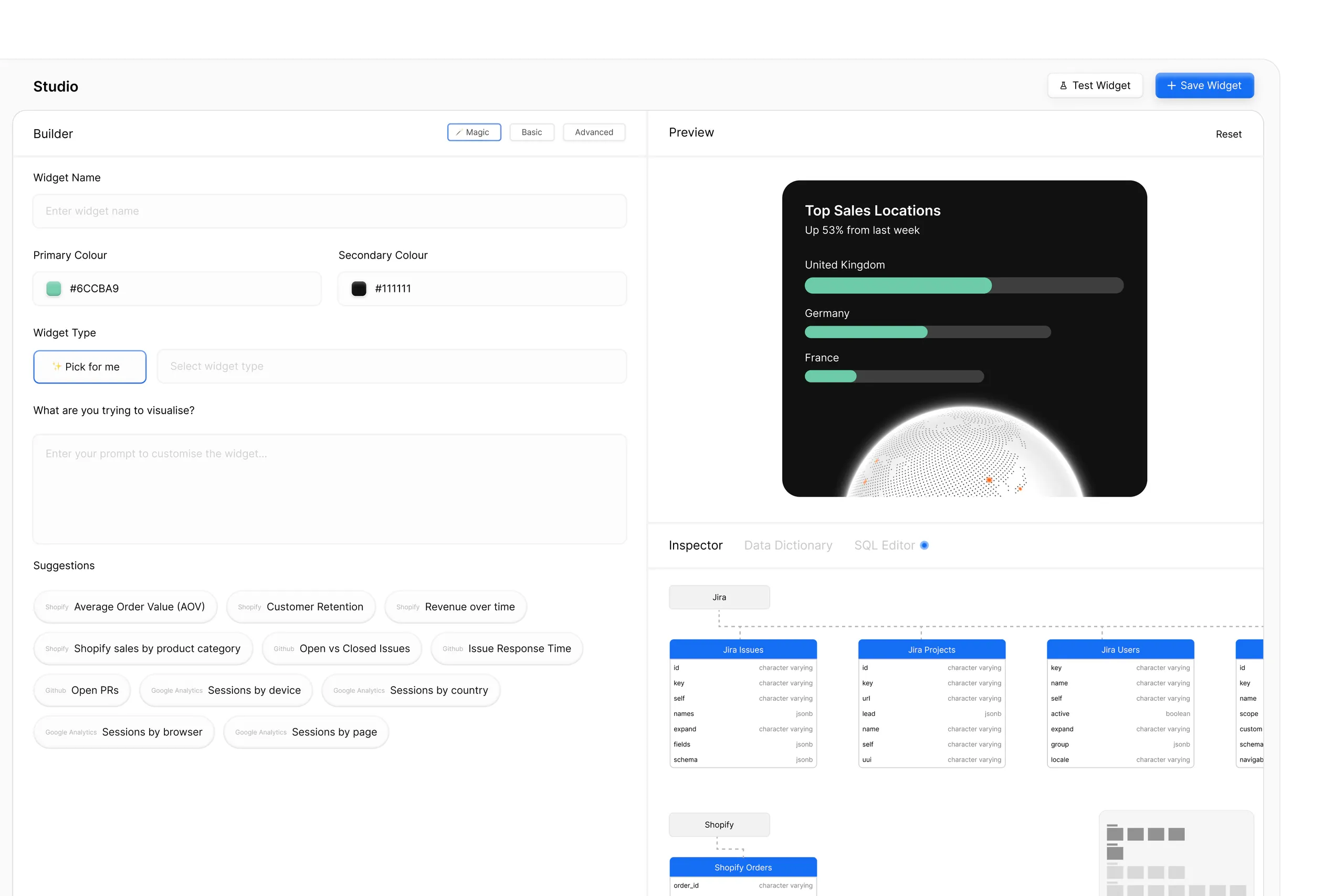
University dissertation turned into a pre-seed startup, Petals was my first funded venture — in the AI data space. We started building right at the cusp of the release of GPT-3.5, a pivotal moment for us as budding software engineers. We instantly saw the value opportunity here, particularly for the data space.
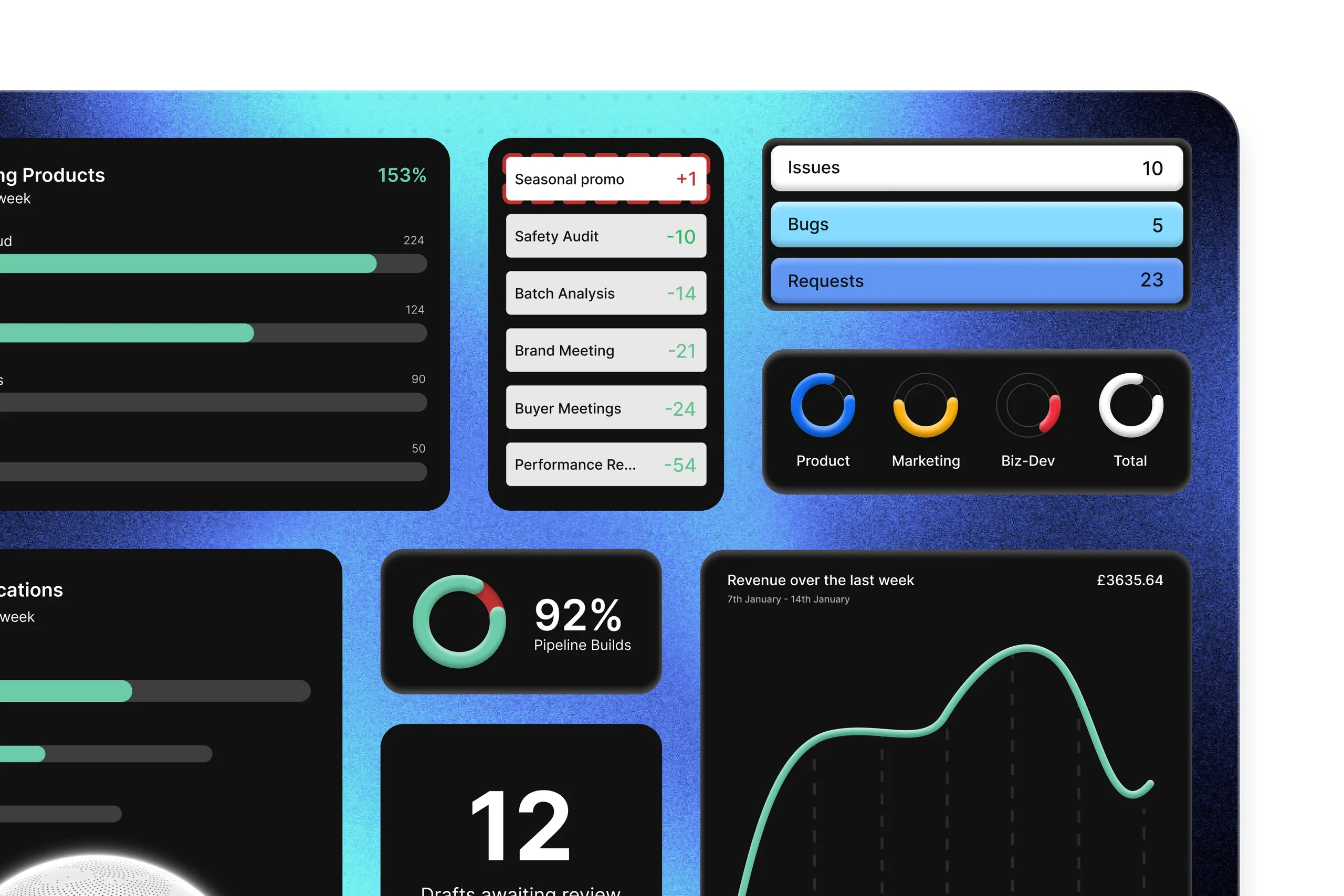
During my final year of university, I worked with 3 others to build a data agnostic business intelligence tool, one that could take data from ∞ sources and essentially mangle the data into a clean shape for succinct business intelligence dashboards. Our client, Bipsync, a UK + NY based fintech company wanted to visualise data from across their stack.


We built this and it worked(ish) and as we’d finished GPT-4 dropped and showed us the real potential. Fast forward a couple months, I’m accepted into a Cardiff startup accelerator, building Petals — an AI data platform. Essentially my dissertation platform on steroids, this platform was set out to replace the likes of PowerBI, Tableau, BigQuery for SMEs and mostly delivered on that promise. I was CTO and solely engineering and designing the product. I had my fingers stuck in, across every aspect of the project, the marketing, sales cycle, fundraising and a whole bunch more.
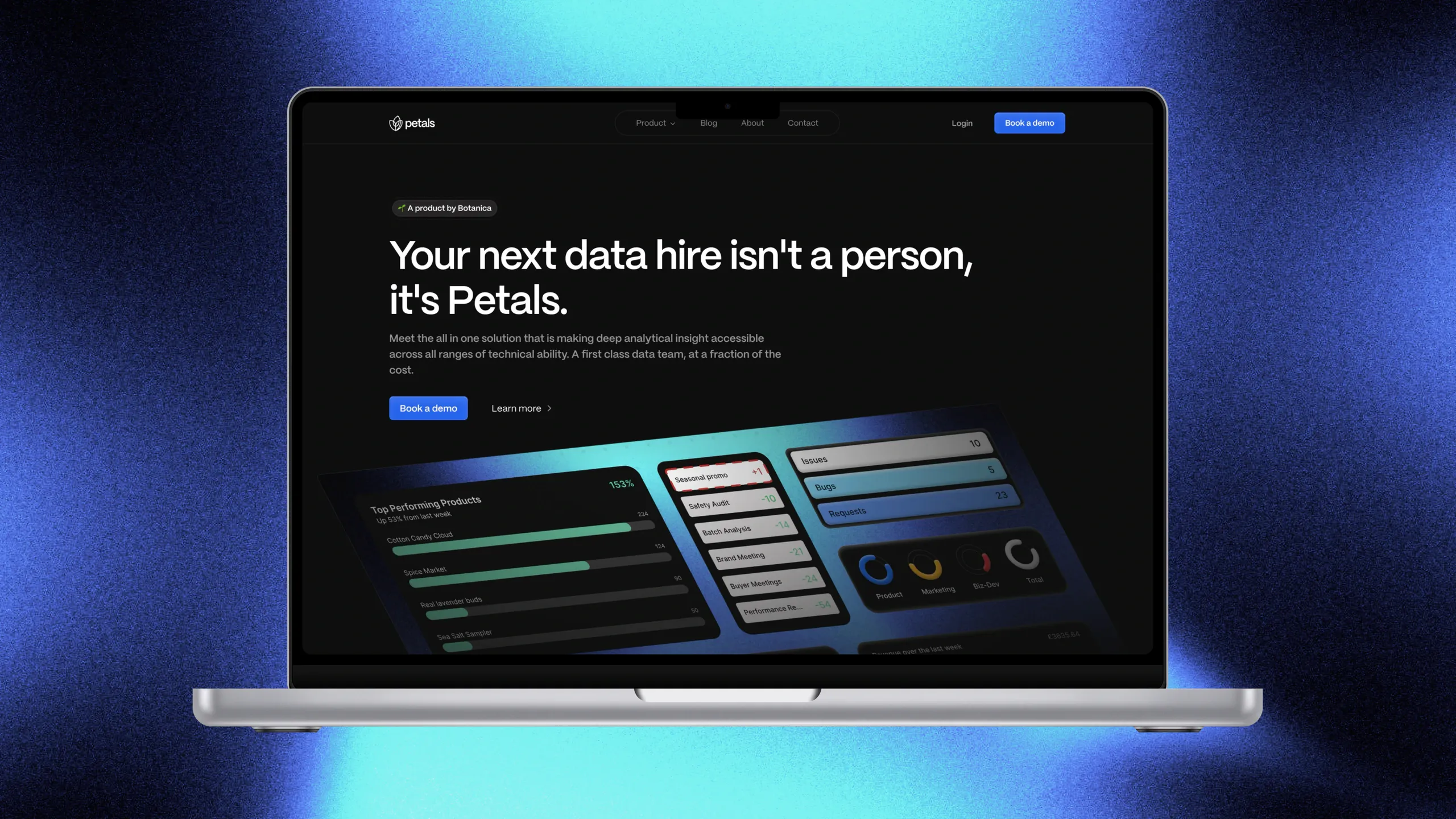
Ultimately we were unable to raise, but the learnings from Petals fed into my next role, as Founding Engineer @ Querio. But experimenting with brand, software design and building for real users for the first time was a learning experience.
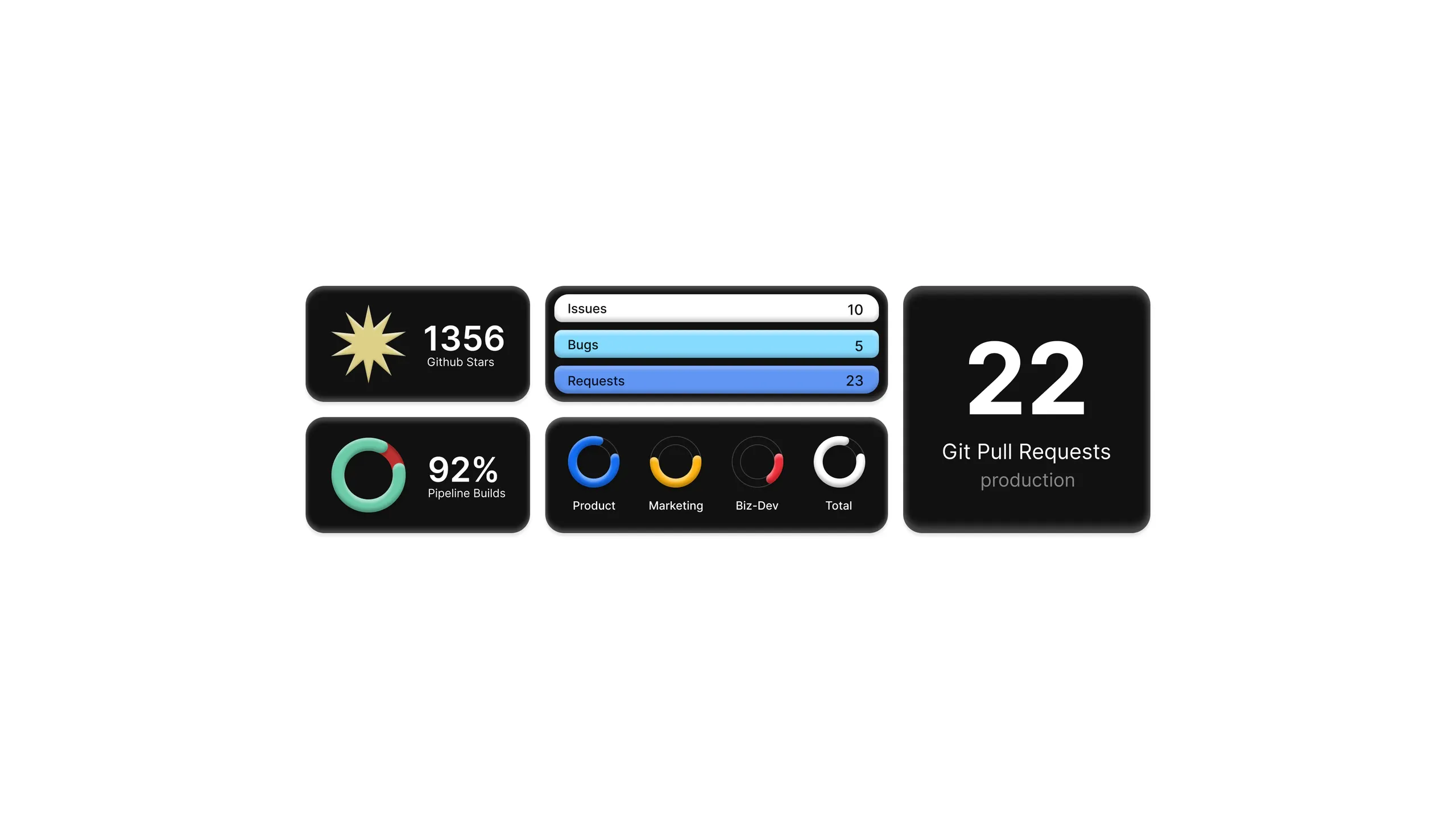
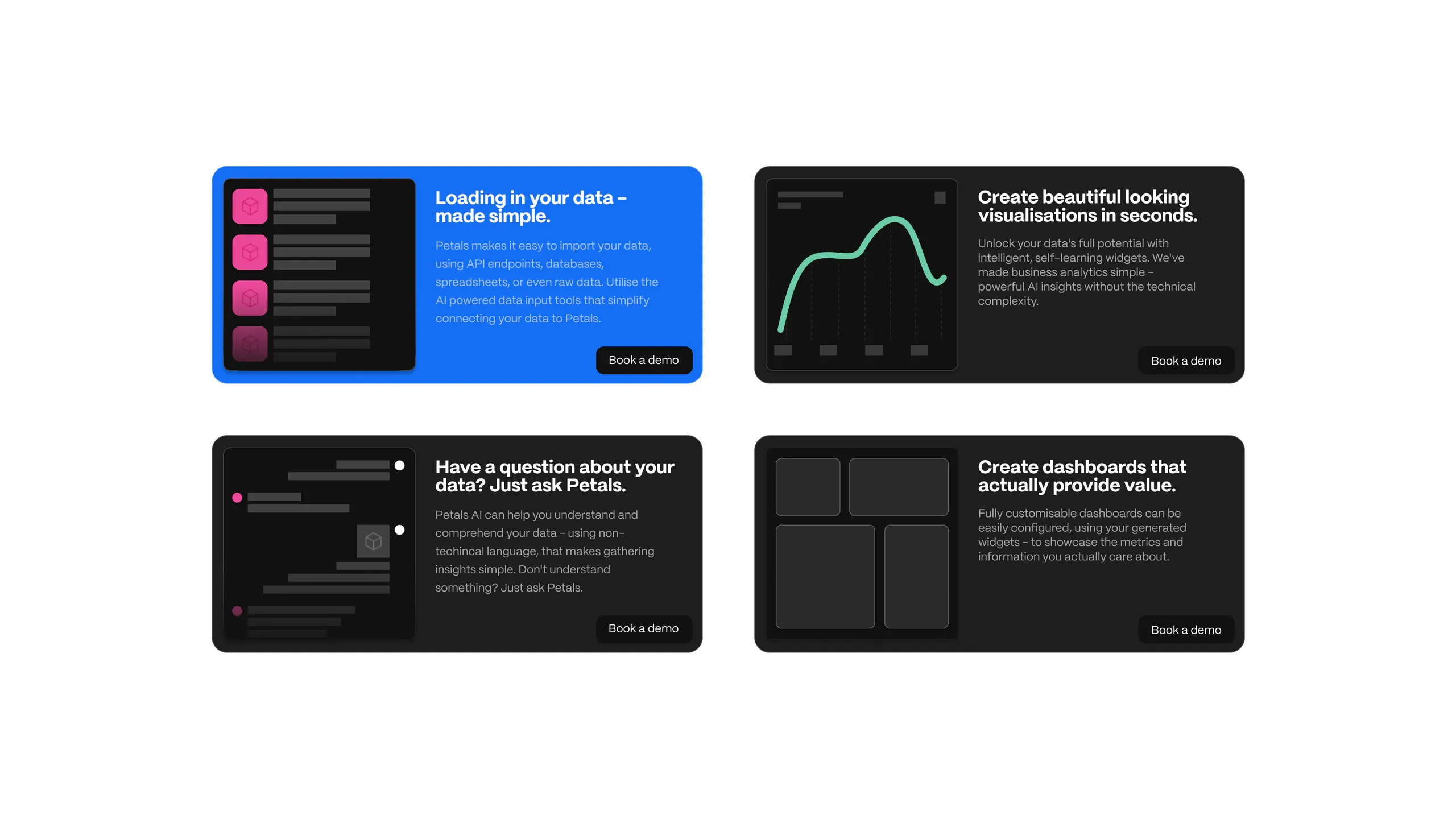
Part of what made Petals different to incumbents was our focus on non-technical users - most of this came through clever UX and leveraging AI agents to build data models and carry out light data engineering on messy warehouses. What started as a BI tool, slowly became an agentic data engineering platform - built around managing agent swarms and collecting data models. Writing this now (in 2026) I'm kicking myself, seeing how close we were to realising the agentic file system play was within reach. Letting the agents own the context.